
Terminology
/General
A comparison of spring and gravity control methods for restoring torque in indicating instruments, highlighting their mechanisms and differences.
2 min read
Advertisement
Table of Contents
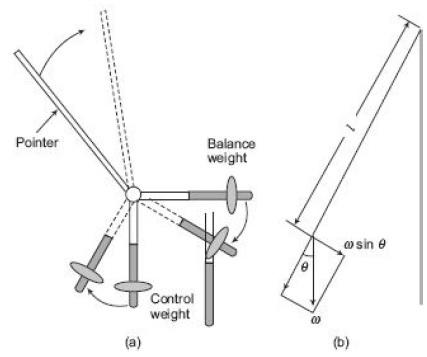
Let’s explore the world of gravity control, a method used in various measuring instruments. We’ll delve into how it works, its strengths, and its weaknesses.
Gravity control is a technique that utilizes a small, adjustable weight attached to the spindle of an instrument. Think of it like a tiny pendulum that helps keep things in check.
Advertisement
Related Posts
Terminology
/General
A comparison of spring and gravity control methods for restoring torque in indicating instruments, highlighting their mechanisms and differences.
Articles
/General
An overview of spring control mechanisms, including their advantages such as portability and uniform scales, as well as disadvantages like temperature sensitivity and limited adjustability.
Terminology
/General
This article explains the three essential torques in analog meters: deflecting, controlling, and damping. It describes their functions and methods of implementation.
Terminology
/General
This article explores the advantages and disadvantages of mechanical instruments, discussing their durability, cost-effectiveness, and limitations in dynamic measurements.
Advertisement