
Equipments
/Electronics
Explore the basics of Lux meters, instruments used to measure illuminance, and their features, specifications, and vendors.
2 min read
Advertisement
Table of Contents
This article explores the advantages and disadvantages of using a lux light meter, a device used to measure the amount of light falling on a surface. These meters, also known as illuminance meters, quantify light in lumens per square meter (lm/m²).
A typical lux meter employs a silicon photodiode housed beneath a translucent white plastic cap.
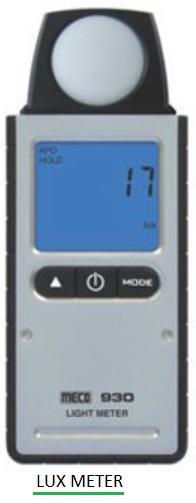
The photodiode, along with its associated electronics, generates an electrical current that is directly proportional to the light striking its active area. The meter then translates this current into a reading of illuminance, displayed in either lux or foot-candles.
In summary, while lux light meters provide a simple and affordable way to measure illuminance, it’s essential to be aware of their limitations, particularly when comparing lighting products or requiring precise measurement in a complex environment.
Advertisement
Related Posts
Equipments
/Electronics
Explore the basics of Lux meters, instruments used to measure illuminance, and their features, specifications, and vendors.
Terminology
/General
This article explains lux (illuminance), its relationship to lumens and footcandles, and provides recommended light levels for different environments.
Terminology
/General
This article explains the difference between lux and lumens, two key measurements in lighting, and how they relate to light intensity and total light output.
Advertisement