
Equipments
/Electrical
An overview of digital clamp meters, highlighting their features, benefits, and differences from analog clamp meters. Includes example features of a Meco model.
2 min read
Advertisement
Table of Contents
This article explores the differences between clamp meters and digital multimeters, two essential tools for electrical measurements.
Here are the typical features of a clamp meter:
The non-contact current measurement of clamp meters makes them ideal in situations where:
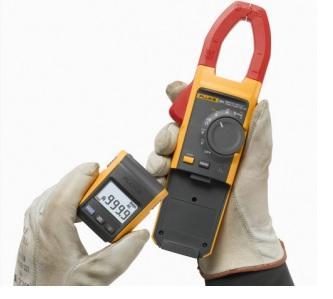
Here’s a breakdown of the typical features of a digital multimeter:
Digital multimeters are well-suited for situations where:
| Features | Clamp Meter | Digital Multimeter |
|---|---|---|
| Current Measurement Method | Measures current by clamping its jaw around the cable carrying the current | Requires circuit path to be disconnected; connected in series within the broken circuit |
| Measurements | AC voltage, DC voltage, resistance, capacitance, frequency, AC current, and DC current | Current (I), voltage (V), resistance (R), and impedance (Z) |
| Display | Digital format on an LCD screen | Digital format on an LCD screen with high accuracy |
| Circuit Disruption | No need to break or disconnect the circuit; allows for safe and easy measurements | Inconvenient and potentially disruptive; requires breaking the circuit for current measurement |
| Key Advantage | Non-contact current measurement; ideal when it’s challenging to break the circuit | High accuracy for voltage, resistance, and impedance measurements |
In conclusion, while both tools are valuable for electrical measurements, their distinct capabilities and methods of current measurement make them suitable for different applications. Choosing the right tool for the job will ensure accuracy and safety in your work.
Advertisement
Related Posts
Equipments
/Electrical
An overview of digital clamp meters, highlighting their features, benefits, and differences from analog clamp meters. Includes example features of a Meco model.
Measurements
/General
This article explores the benefits and limitations of clamp meters, versatile tools used for electrical measurements, including current, voltage, and more.
Articles
/Electronics
This article explores the advantages and disadvantages of analog multimeters, highlighting their benefits and drawbacks for various applications.
Terminology
/General
A detailed comparison of analog and digital multimeters, highlighting their differences in display, accuracy, and functionality.
Advertisement
Articles
/General
This article compares analog and digital instruments, detailing their key features, differences, and examples.
Articles
/General
Explore the fundamental differences between analog and digital oscilloscopes, focusing on their operational principles and display methods.