
Articles
/Electronics
Explore the differences between clamp meters and digital multimeters, focusing on their unique capabilities and applications in electrical measurements.
2 min read
Advertisement
Table of Contents
This article explores the advantages and disadvantages of using a clamp meter, a versatile tool for electrical measurements.
As the name implies, a clamp meter uses a jaw-like clamp to measure electrical properties. You simply place the clamp around a wire to take readings, eliminating the need to break or disconnect the circuit. These handy devices can measure a variety of parameters, including AC/DC voltage, AC/DC current, resistance, frequency, and capacitance. They’re particularly useful when it’s impractical or unsafe to interrupt an electrical circuit.
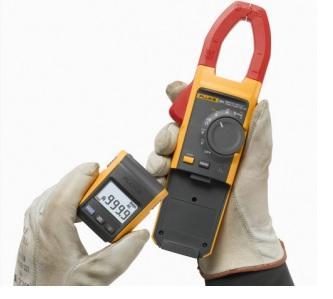
Clamp meters are similar to digital multimeters but often come with advanced features. Some models, like the one shown above, feature a detachable display for easier handling. They also often incorporate features like low-pass filters and advanced signal processing software.
Advertisement
Related Posts
Articles
/Electronics
Explore the differences between clamp meters and digital multimeters, focusing on their unique capabilities and applications in electrical measurements.
Equipments
/Electrical
An overview of digital clamp meters, highlighting their features, benefits, and differences from analog clamp meters. Includes example features of a Meco model.
Advertisement