
Measurements
/Flow
Explore the benefits and drawbacks of electromagnetic flowmeters, including their ability to handle slurries and conductive liquids, along with limitations due to conductivity requirements.
2 min read
Advertisement
Table of Contents
Let’s explore the advantages and disadvantages of using ultrasonic flowmeters for measuring fluid flow.
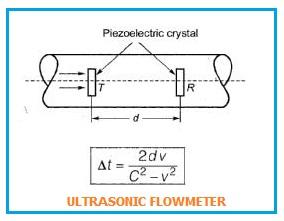
These devices utilize ultrasonic transducers, often piezoelectric crystals, to determine the average velocity of a fluid by analyzing the transit time of ultrasound waves. By measuring the difference in transit times between pulses traveling with and against the flow, these flowmeters provide accurate readings. The placement of these crystals can vary depending on the specific flow measurement setup. Importantly, the input and output of an ultrasonic flowmeter maintain a linear relationship.
Advertisement
Related Posts
Measurements
/Flow
Explore the benefits and drawbacks of electromagnetic flowmeters, including their ability to handle slurries and conductive liquids, along with limitations due to conductivity requirements.
Measurements
/Flow
Explore the pros and cons of differential pressure flowmeters, a common technology for measuring fluid flow rates. Learn about their versatility and limitations.
Measurements
/Flow
Explore the benefits and drawbacks of Coriolis flow meters, including accuracy, sensitivity, and application suitability.
Measurements
/Flow
This article explores the benefits and drawbacks of thermal mass flowmeters, detailing their operating principle and key features.
Advertisement
Measurements
/Flow
Explore the working principle, advantages, and disadvantages of vortex flowmeters. Learn about their accuracy, range, and limitations.
Measurements
/Flow
Explore the working principle, benefits, and limitations of lobed impeller flowmeters for gas measurement, including accuracy, operation, and potential issues.