
Articles
/Electronics
Explore the differences between controllers and compensators in control systems. Understand their unique roles in error reduction and system response shaping.
2 min read
Advertisement
Table of Contents
This article breaks down the differences between PD, PI, and PID controllers, which are essential components in control systems. These controllers are used in series with a “plant” (the system you’re trying to control) to adjust its output and achieve a desired result. Let’s dive into each type.
A Proportional-Derivative (PD) controller combines proportional and derivative control actions. Here’s a look at its characteristics:
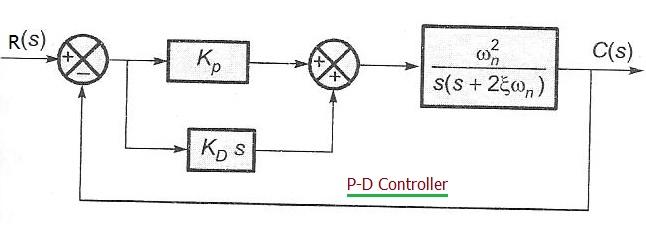
A Proportional-Integral (PI) controller utilizes proportional and integral control. Here are its main features:
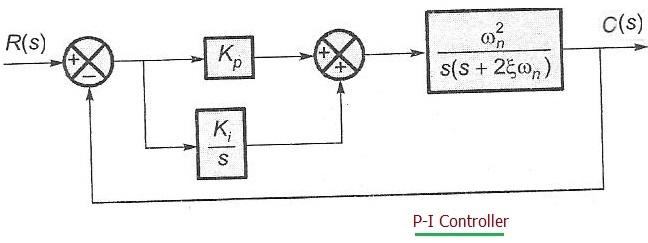
A Proportional-Integral-Derivative (PID) controller combines all three control actions. This type of controller aims to leverage the benefits of each individual control type. Let’s see what it offers:
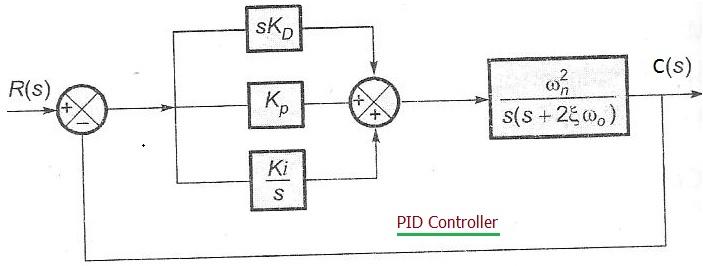
In summary, each controller type offers unique advantages and disadvantages, and the choice of which controller to use often depends on the specific application requirements and desired control characteristics.
Advertisement
Related Posts
Articles
/Electronics
Explore the differences between controllers and compensators in control systems. Understand their unique roles in error reduction and system response shaping.
Articles
/Electronics
Explore the differences between lead and lag compensators, focusing on their impact on transient response, steady-state response, bandwidth, and noise reduction in control systems.
Articles
/Electronics
Explore the differences between lead and lag compensators, essential tools for enhancing control system performance.
Articles
/Automation
Explore the differences between feedback and feedforward control systems, their advantages, and disadvantages. Learn which approach is best for your application.
Advertisement