
Equipments
/Electronics
An overview of logic analyzers, their applications, and key specifications, with a focus on Keysight models and other vendors.
2 min read
Advertisement
Table of Contents
This page explores the advantages and disadvantages of using a logic analyzer. We’ll delve into the benefits and drawbacks of this essential tool for digital circuit analysis.
Logic analyzers are designed for the simultaneous measurement of multiple channels or signals. They capture these signals and display them on a screen, allowing engineers to see the interactions within a digital system or circuit. One of their key features is advanced triggering, making them incredibly useful for examining the timing relationships between different signals. It logic analyzer requires both hardware and software to function.
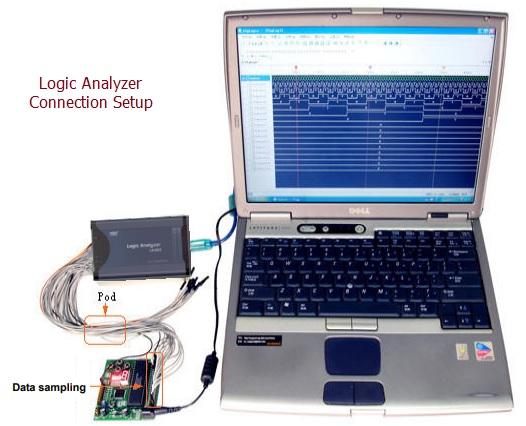
Logic analyzers also offer dedicated bus and protocol analysis capabilities. This means they can analyze different bus protocols, such as UART, SPI, I²C, and SSI. They typically use a USB 2.0 high-speed interface with Plug and Play (PnP) support for easy connectivity.
Advertisement
Related Posts
Equipments
/Electronics
An overview of logic analyzers, their applications, and key specifications, with a focus on Keysight models and other vendors.
Articles
/Electronics
Explore the core differences between oscilloscopes and logic analyzers, highlighting their distinct uses and applications in electronic circuit analysis.
Equipments
/Electronics
This article explores the advantages and disadvantages of analog and digital oscilloscopes, helping you understand their benefits and limitations.
Equipments
/Electronics
Explore the differences between Digital Storage Oscilloscopes (DSO), Digital Phosphor Oscilloscopes (DPO), and Digital Sampling Oscilloscopes, and their specific applications.
Advertisement
Articles
/General
Explore the fundamental differences between analog and digital oscilloscopes, focusing on their operational principles and display methods.